Category: News

  • Timeline of Edward Snowden and PRISM

    Timeline of Edward Snowden and PRISM

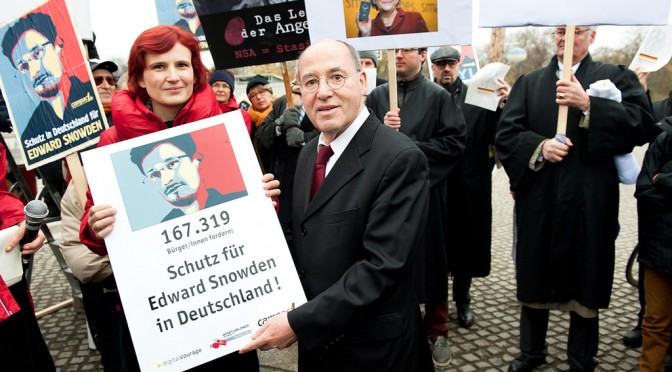
    One of the striking things about this whole thing is how young Edward Snowden is. I thought it might be interesting to put some things into context.

    1983 – Snowden born.

    1998 – Snowden is 15 years old. COPPA and DMCA enacted. Google founded.

    2001 – Snowden is 18 years old. Terrorists hijack airplanes and attack New York’s World Trade Center and the Pentagon.

    2004 – Snowden is 21 years old. Snowden enlists in the Army, and is discharged following a training accident. Facebook founded.

    2005 – Snowden is 22 years old. YouTube founded.

    2007 – Snowden is 24 years old. Protect America Act enacted. PRISM begins. iPhone launched. Microsoft joins PRISM.

    2008 – Snowden is 25 years old. FISA Amendments Act of 2008 enacted. Yahoo! joins PRISM.

    2009 – Snowden is 26 years old. Google and Facebook join PRISM.

    2010 – Snowden is 27 years old. YouTube joins PRISM.

    2011 – Snowden is 28 years old. AOL and Skype join PRISM.

    2012 – Snowden is 29 years old. Apple joins PRISM.

    2013 – Snowden leaks classified documents about PRISM to the Guardian and the Washington Post and goes into hiding in Hong Kong.

    I looked most of this up on Wikipedia, so it must be true.

    Image CC BY Fraktion DIE LINKE. im Bundestag

  • There’s no shame in walking away

    Apparently there’s a growing number of people strategically defaulting on their mortgages. Or, at the very least, there’s a growing fear that this is happening. For some commentators, this is a sign of low moral fiber, that the strategic defaulters are somehow breaking their word, losing their honor, etc.

    Bullshit.

    Housing loans are not based on the belief that the borrower will pay the money back because his honor is at stake. They are based on a contract, which spells out exactly what the lender can do if the borrower stops paying back the loan. The lender can choose to take the house and sue the borrower for the difference between the house’s value and the loan amount (unless it is a non-recourse loan).

    There’s also this refrain of unease that not only is the decision to default immoral, but it’s just too easy and trivial to do. That the borrower somehow escapes punishment-free for buying too much house or getting a terrible loan.

    But losing your home and getting sued is not a trivial thing. Not to mention the massive hit your credit score will take. For the borrower who defaults, it means that credit will either be unavailable or offered at exorbitant rates. Moreover, employers and landlords often do credit checks prior to hiring or renting, which will further limit the borrower’s options.

    Nor is it necessarily easy! The lender has the option to take the home, but no obligation to do so. If there’s a glut of inventory in a particular submarket, a backlog of defaults to process, etc., the lender can choose to send nasty letters to try to get the borrower to pay, but may hold off on actually seizing the property. In the meantime, the borrower still owns the property and any liabilities that go along with it.

    Finally, there are those that mention other effects of the foreclosure, such as declining house values and higher borrowing costs within the submarket or economic cohort. But aren’t these effects the natural outcomes of a market? We are coming off a 7 year bubble; houses are going to go into foreclosure, prices will drop, costs will increase, and to expect anything else is insane.

    The bottom line is that the decision to take a loss, just as the decision to purchase, should be evaluated rationally by the individuals involved. There are a lot of things to consider beyond the value of your house, the amount of your loan, your monthly income, and the monthly expenses, but morality is not one of them.
  • No bailout for the automotive industry

    I could care less if the Big Three were to disappear overnight. For decades they’ve existed as marketing and financial bureaucracies–not car companies, putting out shitty products propped up by nostalgia, misguided patriotism, cheap fuel, and cheap money. In the meantime, their foreign competitors have innovated, diversified, and invested wisely, building their brands over years, if not decades. The American automotive industry seems to be institutionally incapable of learning anything; it’s time to stand back and watch those institutions implode. This doesn’t mean we won’t have an automotive industry; it just means that new companies will have a chance to grow and innovate without being overshadowed by these soulless monstrosities.

    However, I’d be perfectly happy to have the Feds relieve them, and American businesses in general, of the twin clusterfucks we know as defined benefit retirement plans and employer-based health insurance.

    NaBloPoMo 13

  • Decision 2006

    It’s time to look back at one of the momentous decisions of the year: Is a burrito a sandwich? According to one activist judge, the answer is a resounding no.

    Boston Globe: Arguments spread thick

    The burrito brouhaha began when Panera, one of the country’s biggest bakery cafes, argued that owners of the White City Shopping Center in Shrewsbury violated a 2001 lease agreement that restricted the mall from renting to another sandwich shop. When the center signed a lease this year with Qdoba, Panera balked, saying the Mexican chain’s burritos violate its sandwich exclusivity clause.

    In his ruling, Locke cited Webster’s definition of a sandwich and explained that the difference comes down to two slices of bread versus one tortilla: “A sandwich is not commonly understood to include burritos, tacos, and quesadillas, which are typically made with a single tortilla and stuffed with a choice filling of meat, rice, and beans,” he wrote.

    Judge Locke thinks he’s so clever. Let’s see how he deals with the wrap: burrito, sandwich, or salad?